
What we believe
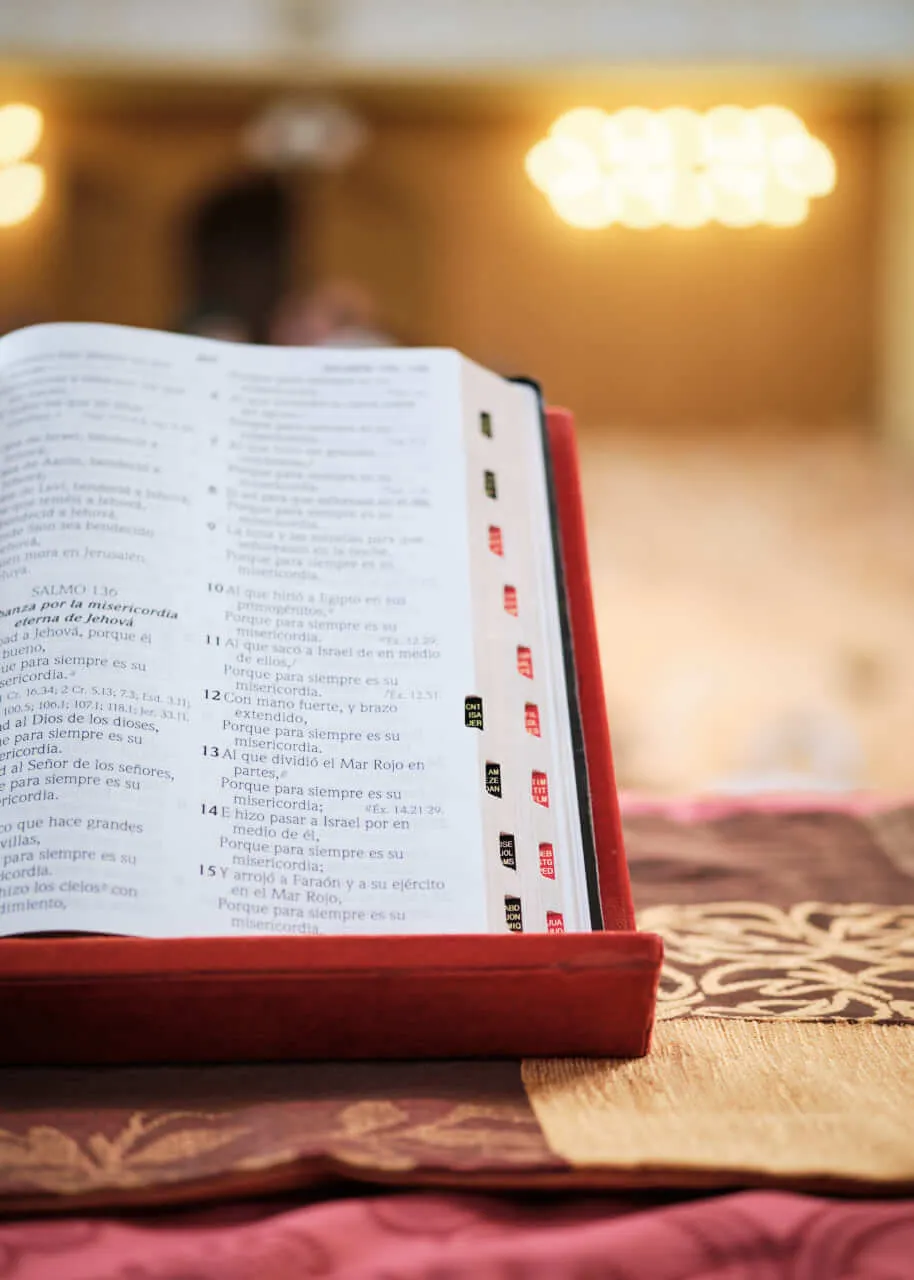
The Bible defines our doctrinal foundation and rule of conduct.
Doctrinal Foundation
The Holy Scriptures
In their original documents, they are divinely inspired in all their parts. We accept them, therefore, as the supreme and sufficient authority in everything concerning doctrine and Christian conduct.
The Triune God
There is One God, Creator of all things, who exists eternally in three Persons: Father, Son, and Holy Spirit.
The Lord Jesus Christ
He is God manifested in the flesh, the incarnate Word. According to his humanity, he was born of the blessed Virgin Mary, by the work and grace of the Holy Spirit. His human life was free from all sin and the Glory of God was manifested through his works and his teachings.
The Holy Spirit
He is the third person of the Holy Trinity, who carries out the purposes of the Triune God in every subjective sphere. He descended from heaven on the day of Pentecost to dwell, both in the spiritual temple of the Church and in the bodies of the redeemed; making effective in their lives the sanctification that derives from the Work of the Cross.
The Work of the Cross
Through the Work of the Cross, the God-Man offered himself in a unique Sacrifice, of infinite value, to atone for sin and satisfy the just demands of God's Throne before fallen man. Christ rose bodily from the dead and ascended to the right hand of God, being the only and sufficient Savior of men and the only Mediator between God and men.
The Church
All true believers in Christ form, in their spiritual totality and by the work of the Holy Spirit, the Church, which is called the Body of Christ. The Church finds its reflection in local churches, but is not expressed through ecclesiastical organizations.
The Second Coming of Christ
According to his clear promises, the Lord Jesus Christ is to return personally to gather his own and establish his Kingdom in manifestation.
The Resurrection of the dead and Judgment
The Scriptures teach that there will be bodily resurrection of the dead, both of the saved and the lost; the former for eternal life and the latter for eternal condemnation.