Our History
How the Gospel came to the city of Madrid and the Chamberí neighborhood.
The first missionary from the Brethren Assemblies to arrive in Spain was Robert C. Chapman (1803-1902) in the year 1834. He was a London lawyer, polyglot, and servant of the Lord in Barnstaple (England), joyfully identified with the principles of the "Brethren" movement. In December 1864, Chapman gave an oral account of what he saw and experienced in the lands of Castile and Aragon:
Back in 1824, as soon as I was freed from a selfish and sinful life by the Gospel of Christ, the spiritual state of the Iberian Peninsula began to weigh upon my heart. You know that for centuries they have been entirely subjugated under the power of the Roman church, and in them the name of Christ has served as a cloak under which the most abominable idolatry that has ever provoked God has been practiced.
He made three missionary journeys to Spain. His first trip he made individually in 1834, in the midst of the First Carlist War; he traveled from the Cantabrian Sea to Madrid, probably passing through Santander, Burgos, and Aranda del Duero. After a brief stay in the Villa y Corte, the tireless Chapman took the reverse route of that traveled by George H. Borrow (1803-1881) two years later: from Madrid to Lisbon, passing through Talavera de la Reina, the Miravete pass, Mérida, and Badajoz. In Portugal, he embarked for England.
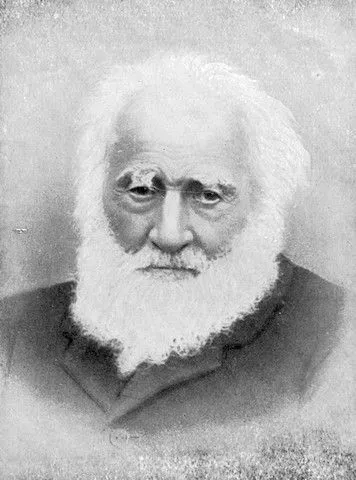
Five years later, in 1839, Chapman returned accompanied by his disciples: Pick and Handcock. They were in Vigo, passed through Asturias and Santander, and stopped in Bilbao and San Sebastián, where they could appreciate the damage from that first Civil War. They also visited acquaintances in Madrid. Going from city to city, they distributed Gospels and New Testaments and spoke individually to many Spaniards about the Christ of the Scriptures, His ineffable love, His inexhaustible forgiveness, and the perfection of His redemptive work, which admits no additions. Chapman continues:
My purpose was to make known the Gospel in the way the Lord Jesus did to the Samaritan woman, and as the Apostle Paul did in Philippi, when he spoke to the women who gathered by the river. That conversation of the Apostle in Philippi was the beginning of the Gospel in Europe.
Thus, they brought some souls to the saving knowledge of Christ and established various contacts with people who longed for a purer and more authentic Christianity; but they could do no more, due to the peculiar political-religious situation of the time.
Indeed, at that time the Spanish monarchy had fifteen million subjects, of which 270,000 belonged to the clergy. They not only possessed vast material wealth but dominated all of national life. Thus, the Roman system controlled the existence of every Spaniard and affected their cultural, social, and even economic development. Inherited from the medieval Reconquista, the structures of society remained profoundly unequal, unjust, and very un-Christian: 6% of it possessed ⅔ of the national wealth. More than 70% of the nation lived in towns of less than 10,000 inhabitants and depended essentially on agriculture and its precarious harvests. More than 80% of Spaniards were illiterate, and only in the large cities could a small nucleus of open-minded and liberal people be found.
As for the moral state of the nation, this is how Victoriano López y Gonzalo, Bishop of Cartagena, described it:
Impiety, profanation of the sacred, condemned usury, unlimited greed, disordered desire for riches, [...] corrupt customs and oppression of the helpless [...].
Due to this situation, Chapman took 24 years to return to Spain, but he prayed daily for the Lord to open a door for him and spoke everywhere about Spain's spiritual needs. Finally, in 1863, the tireless servant of God was heard. He came to Spain for the third time, accompanied by two new missionaries: William Gould (died in 1870) and George Lawrence Davis (1831-1894). Chapman continues:
Upon undertaking the journey, we were asked to bring material (and spiritual) relief to certain Spanish brothers who were in Bordeaux (France), who, shortly before, had been released from prison and expelled from Spain because of the Gospel.
Thus they brought clothes and words of encouragement to Marín, González, and Flores, companions of Manuel Matamoros (1834-1866) in the prison of Málaga. Then they passed from Bordeaux to Lyon:
We saw our brother Matamoros, a true servant of Christ. He was very happy to see us and even more so upon learning of our purpose to visit his country.
Chapman and his disciples first spent three months in Bilbao, publishing the Message of salvation and carefully distributing the Holy Scriptures, scarce and practically unknown throughout the Peninsula. Next, Gould was testifying individually in Orduña (Vizcaya) until he was arrested and accused before a court for having given a Bible (the Catholic version of Scío) to a Basque seminarian.
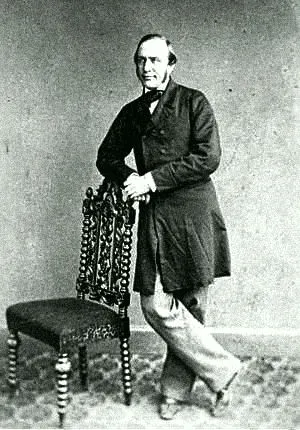
After the case was dismissed, the three pioneers of the Lord went from city to city, feeling indebted to Castilians and Aragonese, to Basques and Andalusians, to Galicians, Levantines and Balearics, and continued speaking of Christ in Barcelona, Madrid, Valencia, Lisbon, Palma de Mallorca, Alicante, etc. In Mallorca, Chapman visited the English engineer and fervent witness of Christ: William Greene (1819-1915), of whom we will speak again. The fruit of his testimony would be the formation of a congregation in Palma, predating the Methodist work, which by 1875 already had a Brethren assembly of forty members.
Chapman returned to England after 15 months, leaving his two disciples in Spain. On June 12, 1902, Chapman departed to be with Christ at the age of 99 years. According to a witness, during the brief days of his illness he enjoyed ineffable peace:
With that voice that had so often and with such lucidity explained the Scriptures to hundreds, quoting biblical passages almost incessantly. His heart was full of the Scriptures. Finally, placing a hand on his chest, he said: "That peace (Philippians 4:7) I have it here."
In the summer of 1865, when Gould and Lawrence arrived in Vitoria, they were denounced to the local authorities and—with great difficulty—managed to escape by fleeing to France. They were sentenced in absentia to nine years in prison, a sentence similar to that given to Manuel Matamoros and his companions, witnesses of Christ in Granada, Málaga, and Andalusian cities. George Lawrence later recounted:
Our first two years of service in Spain we spent visiting many places and introducing hundreds of copies of the Word of God. These were not only delivered to interested persons but were also distributed in public gardens. Thus we were able to know the feelings of the Spanish people, increasing our conviction that the day was not far off when all barriers would fall and the Word of God would have free course [...].
These are prophetic words that were fulfilled three years later, when amid hunger and profound political unrest, the Revolution of 1868 broke out. Isabella II had to abdicate and Generals Prim and Serrano formed a liberal government, initiating the so-called "Democratic Sexennium" (1868–1874). This began in an atmosphere of exalted freedom and ended in complete anarchy.
For the evangelical cause, this brief and turbulent period allowed the establishment of religious freedom, for the first time in all of Spain's history. Thus, Chapman's two disciples returned to Spain after the overthrow of Isabella II. Gould established himself in Chamberí, a neighborhood "outside the walls" of the Villa y Corte, and George Lawrence ended up settling in Barcelona to continue there the evangelization work previously begun. In Barcelona and the villages of Catalonia, Lawrence would develop his best-known work with the armored wagon—or biblical car—as a traveling bookstore. This had side windows, and when they opened they formed display cases and a counter where Bibles, New Testaments, and evangelistic materials could be seen and purchased.
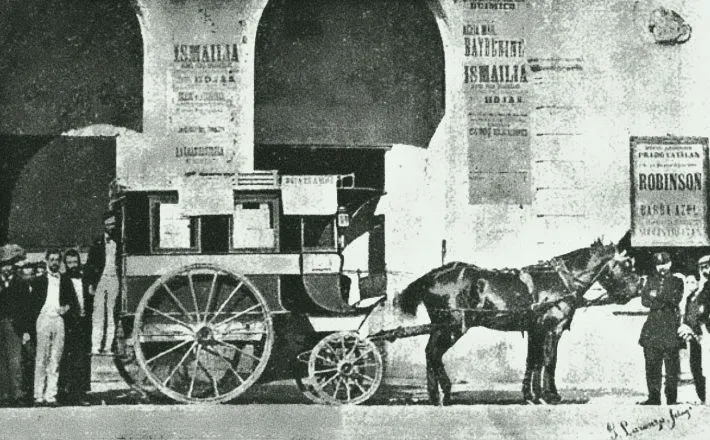
Lawrence continues:
We took advantage of the wide-open door and returned that same year of 1868. We found the people joyful and full of happiness, and the only excess that (it seemed) was committed was the desire to buy any book or newspaper on which the word "FREEDOM" was printed [...].
Gould adds:
As soon as we crossed the border we noticed the profound change in the people [...]. Now, when announcing salvation in Christ and distributing portions of the Gospel, everyone wanted to listen with the greatest attention. When I arrived in Madrid, I learned that brother Lawrence had managed to rent, on a central street, a shop with a large display window where he could distribute and sell the Gospels at minimal prices [...].
It was later learned that it was a hat shop, located on Carrera de San Jerónimo, across from Parliament. There, a fanatic fired his pistol at Lawrence, but the Lord protected His servant. At the proclamation of the Regency, the official procession passed within a few meters of the evangelical post and heard proclaimed—with a clear and powerful voice—the Good News of the authentic Christ; being able to read the great biblical texts displayed: "For God so loved the world that he gave his one and only Son [...]" (John 3:16). "[...] repent, and believe in the gospel." (Mark 1:15). "For there is one God and one mediator between God and mankind, the man Christ Jesus." (1 Timothy 2:5).
Thus, both the Revolution of 1868, as well as the democratic monarchy of Amadeo I of Spain and the subsequent First Spanish Republic, allowed the beginning of public evangelical work throughout the Iberian Peninsula; and soon churches were formed in Mahón, Seville, Cádiz, Madrid, Barcelona, Cartagena, and Córdoba.
Madrid, Villa y Corte
From the beginning, Gould and Lawrence chose Madrid as the center of their missionary activities. In this initial period of freedom, the first and most urgent task was to make known the Word of God. Then, primary schools had to be opened so that the common people could learn to read, since (as we saw) more than 80% of them were illiterate.
Regarding the pedagogical needs of the time, Isabel Valcarcel describes them as follows:
The Protestants brought to Spain the modern pedagogy of their respective countries, being scandalized by the quasi-medieval system of our schools. In a country with a majority illiterate population, these Protestant schools not only contributed to alleviating the "deficit of school places"—secularly backward—but they shone with their own light. (See: "Protestants in Spain," by Isabel Valcárcel; in "Historia 16," no. 111; pp. 106-107).
With the determined support of colporteur José Ríos and the musician, hymnologist, and powerful preacher Mateo Cosidó (1825–1870), Gould and Lawrence missed no opportunity to testify. During a large republican demonstration, taking advantage of the crowd, in an hour and a half they were able to sell (always without the slightest desire for profit) more than three thousand gospels, 2,500 Pauline epistles, plus dozens of Bibles and New Testaments; also distributing about 7,000 evangelization pamphlets. These were titled, for example: "Letter to a Friend about Redemption"; "Reflections on Eternity"; "A Savior for You"; etc.
And they carried out other mass distributions on the occasion of the feast of San Isidro, in Madrid; then taking advantage of the fairs of Toledo, Alcalá de Henares, Medina del Campo, Salamanca, Valladolid, and Seville. Always with the effective help of J. Ríos and M. Cosidó, they also traveled through Aragon, La Rioja, and Navarra, distributing thousands of gospels and pamphlets.
Then, due to the accumulated knowledge and experiences lived during those years, in November 1869, George Lawrence moved to Barcelona. As for Gould, always supported by Ríos and Cosidó, he decided to open two locations in the Villa y Corte. One, located on Amaniel Street, served for schools during the week and as an evangelization hall on Sundays. The other location or "Evangelical Hall of Peace," with capacity for 400 listeners, was inaugurated on January 6, 1870, shortly after William Greene arrived from Mallorca. Seeing the spiritual needs of the capital, Greene left his engineering career to fully consecrate himself to the Lord's Work. In the spring of the same year, the ex-priest Tristán Medina joined the primitive group of Madrid "brethren." His powerful word (which contrasted the errors of Rome with the simple Gospel of Christ), attracted—several times a week—hundreds of listeners; some with authentic spiritual concern, others interested only in the controversy.
The work was more than promising, especially when Greene rented (in January 1871) a third location, located on Calatrava Street 25, which had served as a dance hall. But, before the end of 1870, Gould and then Cosidó were called to the presence of the Lord, and 18 months later, Greene left Madrid. Before that, he handed over both the "Evangelical Hall of Peace" and the Calatrava Street location to the Central Commission of the "Spanish Evangelical Union," a work directed by the German missionary Fritz Fliedner (1845-1901).
Chamberí Neighborhood
From a human perspective, the consolidation of the Assemblies' work in Madrid is due to the stay of evangelist Charles E. Faithful (died in 1924), who arrived in Madrid in the autumn of 1872 and lived in the "outside the walls" neighborhood of Chamberí. At that time, Chamberí was a small neighborhood located outside the gates; today it is one of the largest districts of the capital and with a population density much greater than that of many cities in Spain. All those blocks of superb buildings located from the old Areneros promenade towards the north side, and from Galileo Street to Almagro Street, were nothing more than clearings where herds of goats went to graze and where children were taken by their nurses to enjoy the sun and to engage in their games. All those blocks of houses on the even-numbered side of Carranza Street were formerly nothing less than the burning ground of the Inquisition. That immense area formed by Donoso Cortés, Galileo and adjacent streets was a large cemetery, called the Patriarcal del Norte. The houses there were of the most modest kind and their neighbors were almost all working class.
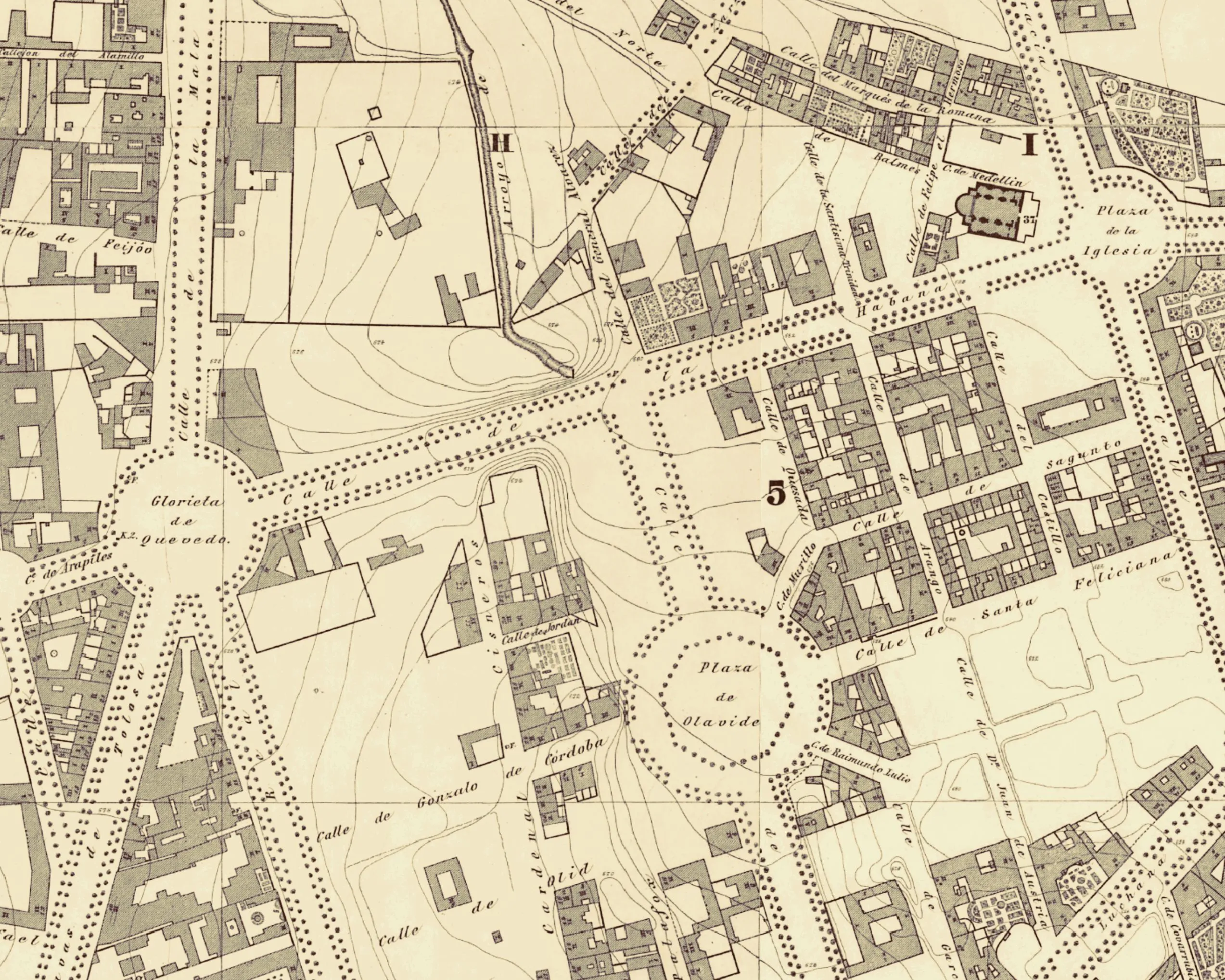
When Faithfull arrived, the missionary Gould and the collaborator Cosidó had died, Greene was living retired in England, and the first chapels were in the hands of the "Evangelical Christian Church" (ICE). Assisted by colporteur Ríos, at the beginning of 1873 Faithfull opened an evangelical location on the first floor on Habana Street (now Eloy González 10) in the Chamberí neighborhood. Shortly after, a girls' school was opened, followed very soon by a boys' school.
In 1873, two young missionaries, students of Charles H. Spurgeon (1834-1892), came to Spain brought by Lawrence to support the work in Chamberí and learn Spanish. They were Thomas Blamire (1848-1894) and his nephew James P. Wigstone (died in 1921), who a few years later would initiate the pioneering work of the Assemblies in Galicia. Meanwhile, both were evangelizing outdoors in the neighboring towns of Getafe, Valdemoro, Barajas, Chamartín, and Fuencarral.
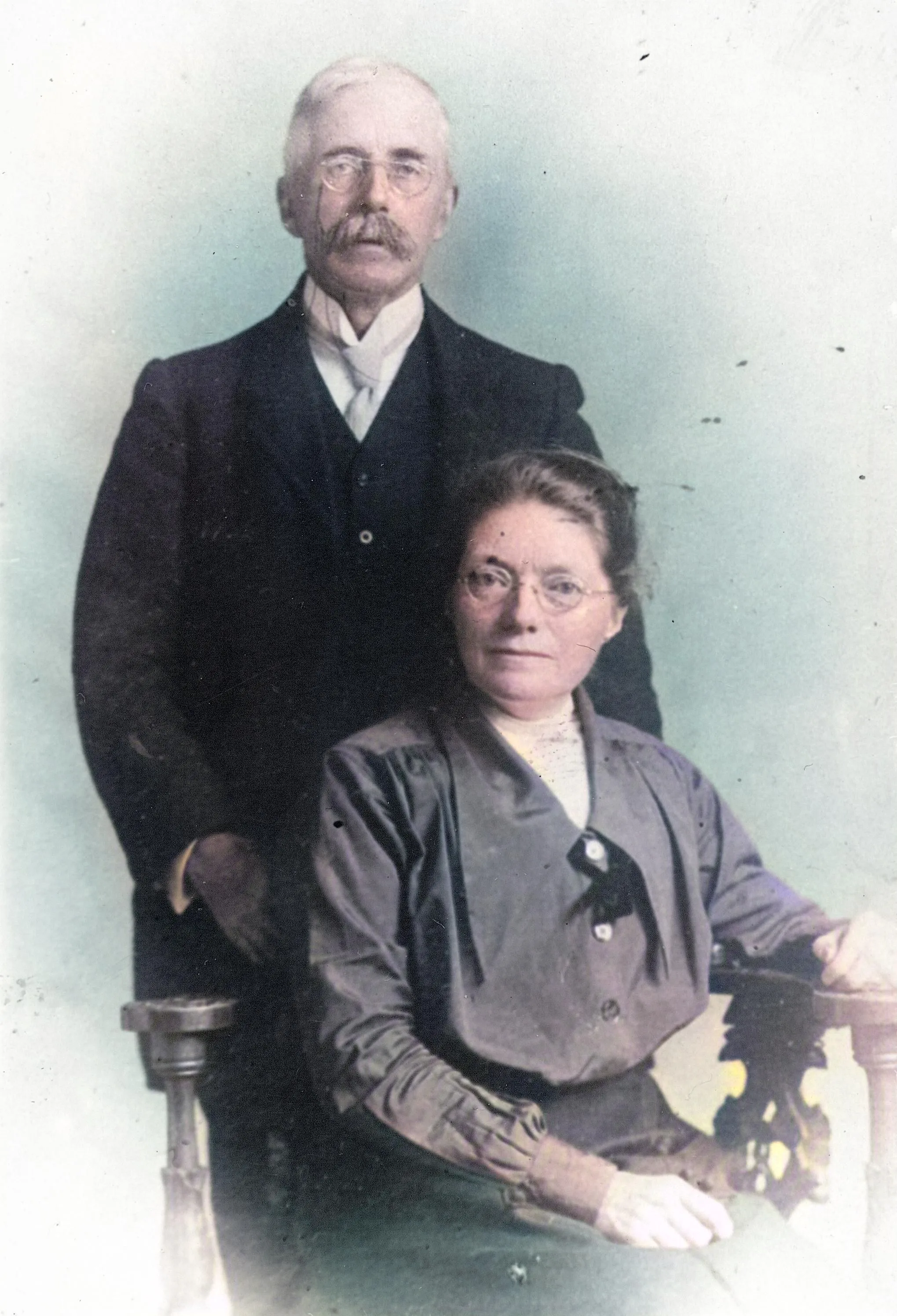
The missionary Albert R. Fenn (1832–1896) and his wife arrived in Madrid in 1874 to direct the church and schools. From 1874 to 1895, the Fenn couple served as a mainstay of the work, since—two years after their arrival—Charles E. Faithfull left, with three other missionaries, for Vitoria to begin a new testimony in the Basque Country. After a year and a half of continuous persecution and hard struggles, Faithfull had to give up his effort.
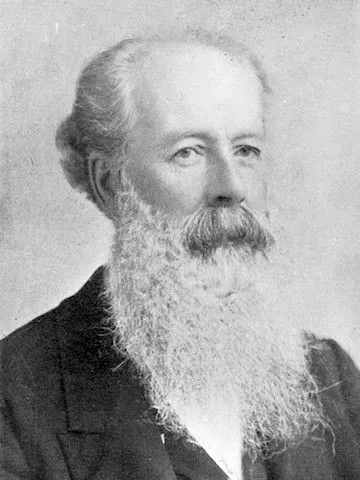
In 1874, it was no longer possible to continue on Habana Street as it was insufficient. Then the church and schools moved to a house in Quevedo Square, at the corner of Arapiles Street, where they remained for twenty-one years. November 1, 1874 was a great day, as on that date the Evangelical Church of Chamberí was formally constituted, and on that date and for the first time its members participated in the Lord's Table.
Thanks to vigorous preaching of the Gospel, endorsed by transformed lives, and effective social penetration through the schools (with almost half a thousand students), the Lord's testimony was strengthening in the Madrid neighborhood of Chamberí, despite growing clerical opposition. The common people also appreciated the humanitarian and selfless work of the "brethren": sewing classes and distribution of soup kitchens, night classes for adults and Bible studies, creation of a small orphanage and an incipient evangelical hospital, attended by Dr. Fenn.
This evangelistic atmosphere was what the young Canarian journalist who would be the great writer Benito Pérez Galdós knew. Not only did he capture in his novels the "Anabaptists" of Lavapiés and the Presbyterians of Las Peñuelas, but both in "Fortunata y Jacinta" and in "Tristana" he mentions the "Brethren." When speaking of Tristana's English teacher, Galdós says she was a missionary who "practiced in the evangelical chapel" of Chamberí. It is also possible that it is the Fenn couple that Galdós has in mind when he writes "Torquemada en la hoguera," a "gentle couple" of Protestants who bear the names Horacio and Malvina.
From Madrid, evangelization continued in various towns: in the eighties in Yuncos and Azaña (Toledo), where there were several believers; and also Torrelaguna, plus two other towns in the Madrid mountains. In that decade, the Brethren Assembly of Chamberí already had about a hundred communicant members.
In the Chamberí neighborhood, in April 1895 (and after 21 years of faithful and exhausting ministry) the Fenn couple was forced to return to England for serious health reasons. Albert R. Fenn had had three mild convulsions in Spain, and before dawn on July 29, 1896, he had a severe one while sleeping. On August 3 he passed into the Lord's presence, being conscious almost until the end. In the notice of Fenn's death published in 1897 by "The Missionary Review of the World," a periodical publication that reported on Protestant Christian missions around the world, they describe him thus:
With his holy and blameless life, no less than with his preaching, he rebuked the abundant wickedness even of the profane religious leaders, and with his honesty and punctuality in business, he presented a marked contrast to the deceit and delay of the Spaniards. He was known in the small chapel of Chamberí as "the saint" [...]. At his death, a very simple communication was sent from the church to his widow. It was signed by all who could write, and gave strong testimony to the wonderful strength and tenderness of the bond that united this faithful pastor, loving father, and wise counselor with his people.
The Old Chapel and Schools
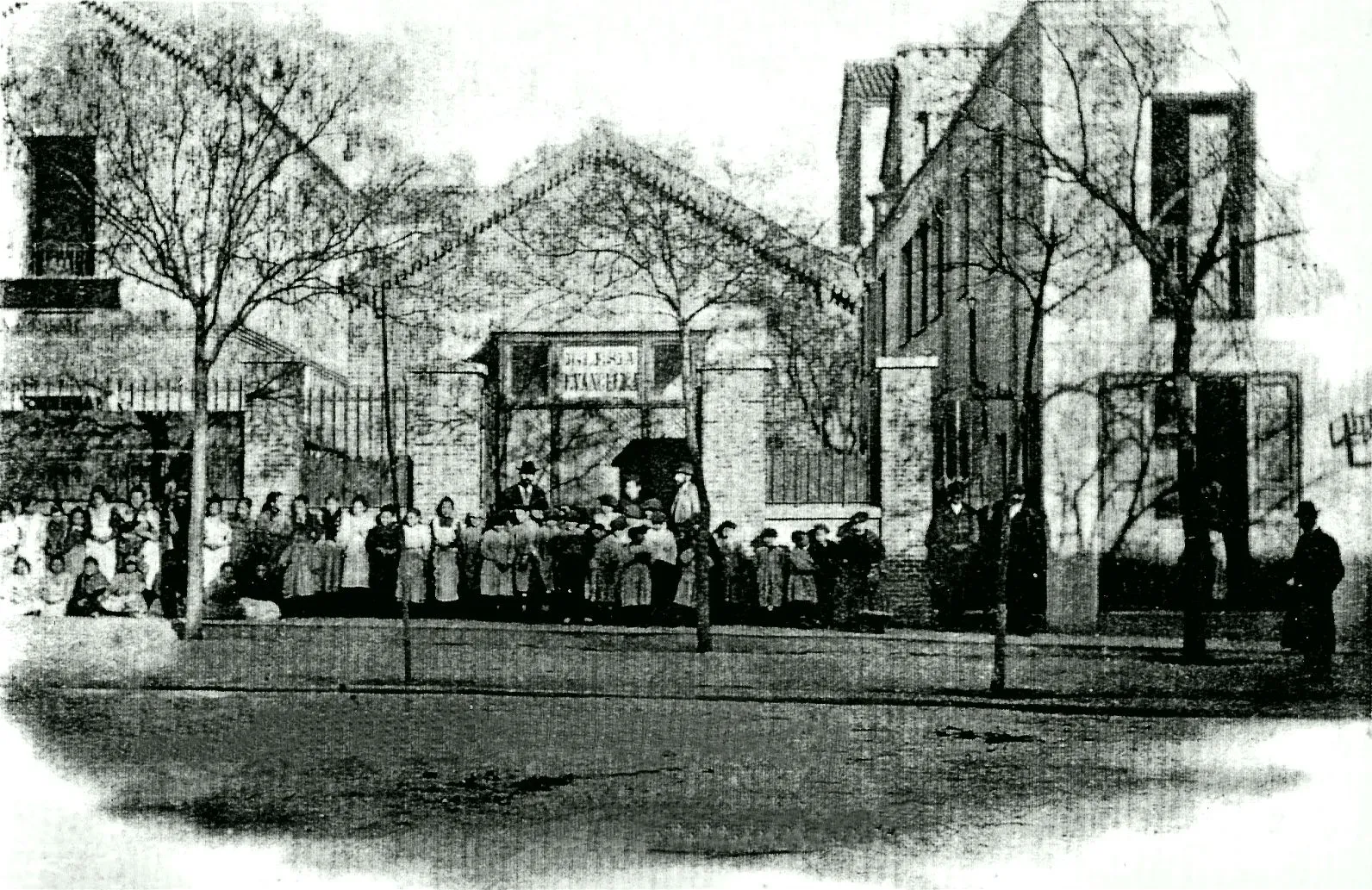
To replace Albert R. Fenn they called veteran Charles E. Faithfull, who was at that moment in Marseille (France). Despite the violent attacks of "father" Bocos and the catechist ladies, Faithfull lived up to his surname (Faithfull means "full of faith" in English). The missionary was able to give new vigor to the school work and in the Las Pozas neighborhood and, likewise, to the "evangelical mission of Chamberí." His great achievement was the purchase in 1896 of a large plot on Trafalgar Street, where school classrooms and the "chapel" could be built. With this, he established the work in Madrid's geography, avoiding the continual moves due to ecclesiastical pressures.
The journalist and writer Luis Hernández Alfonso published a report on June 20, 1929, in the section "One report every night" of the newspaper "Heraldo de Madrid," which said:
The Evangelical Church of Chamberí is located on the beautiful Trafalgar Street number 34, between Olavide Square and the wide and sunny Eloy Gonzalo Street, that is, in the heart of the Chamberí neighborhood.
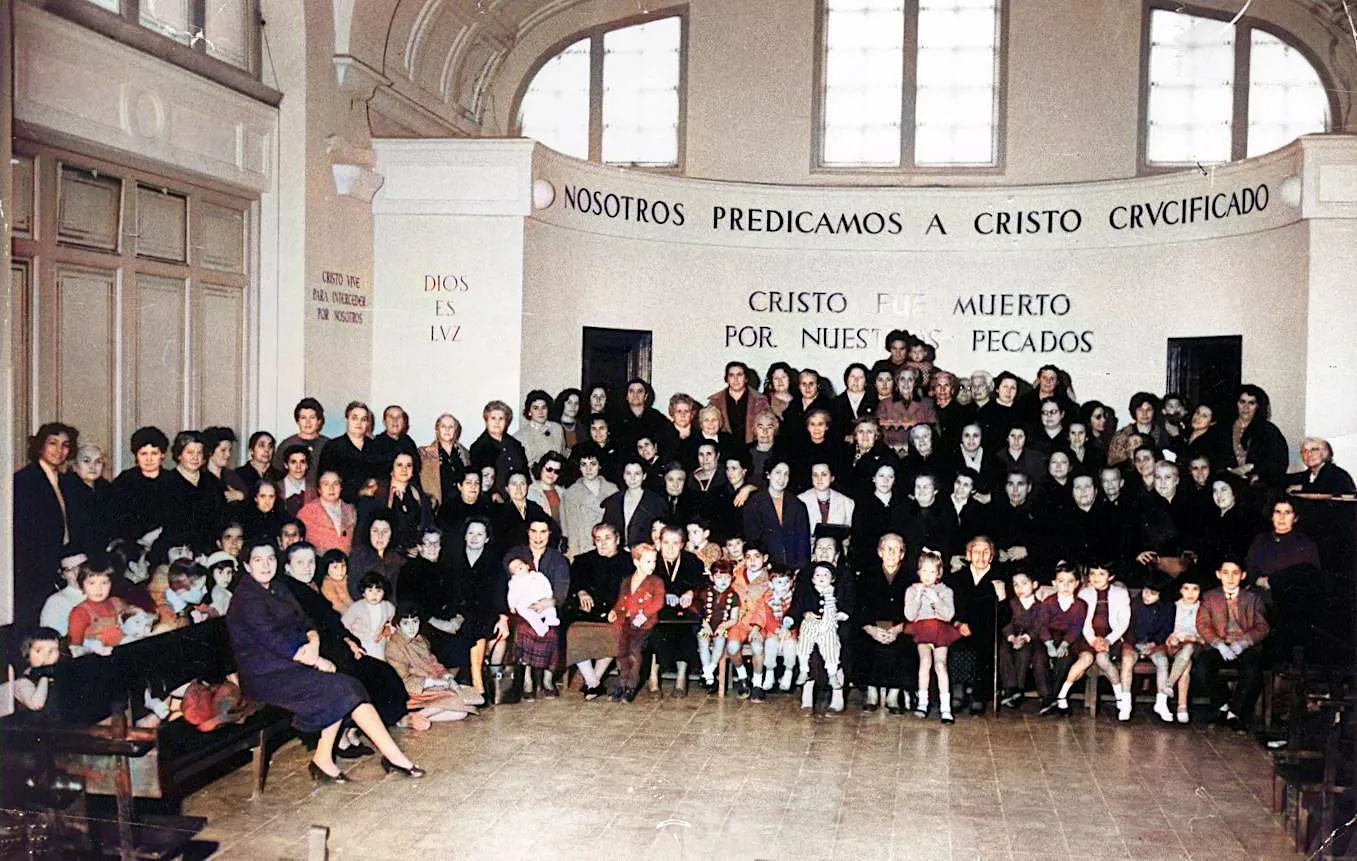
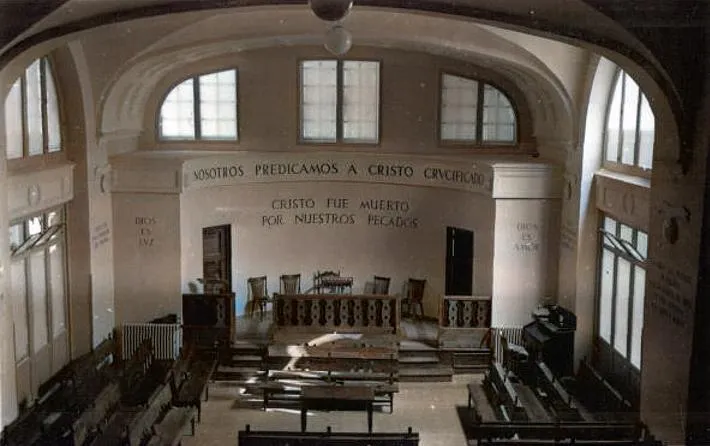
Behind a modest fence, three pavilions can be distinguished: the central one, on whose gate reads: "Evangelical Church," and the side ones, more elevated, on which respective signs read: "Evangelical Schools." It is curious that every Protestant chapel in Madrid is equipped with its corresponding schools. The interior of the temple is very humble. Neither the beautiful presbytery of the Redeemer church, nor the pulpit of the Jesus church, nor the organ of the Savior church can be seen. The walls, painted in an earthy color, display biblical inscriptions. Facing the entrance, a stage, and above it, on the wall, these words written in large characters: "We preach Christ crucified."
In a corner there is a small harmonium, with which the choirs of the faithful accompany themselves, to which evangelicals are so fond.
In front of the stage, between it and the first rows of benches, is the baptistery like a cistern, to whose bottom one descends by steps, and which is ordinarily covered with a wooden trapdoor.
Everything there is very modest; there is only an abundance of light that penetrates in torrents through the numerous windows. It could be said, upon contemplating it, that all the efforts of the Protestants have been aimed at flooding their temples with clarity, as they intend to do with souls. Here is a symbol very worthy of being taken into account. This chapel was previously located in Quevedo Square, at the corner of Arapiles Street, where Benlliure's studio was later erected.
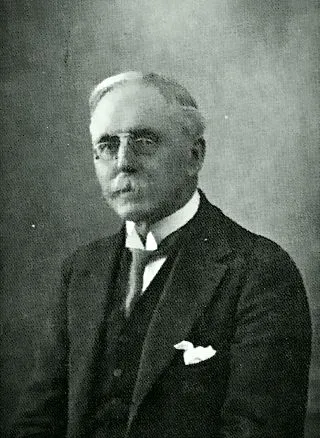
Ten years later, Faithfull returned to his earthly homeland, and in 1907, he was succeeded by missionary Thomas W. Rhodes (died in 1940), newly married to Amelia Plummer (1867–1953). At that time the congregation on Trafalgar Street was no more than a hundred members, but the Rhodes had the responsibility of the daily schools that were then located one on each side of the chapel. After some years they became interested in the large neighborhood of Tetuán de las Victorias north of Madrid (today Tetuán District), and finally made their residence there on Marqués de Viana Street. Their missionary interest extended to the town of Chinchón and various points in the Tiétar Valley (Ávila), where the work began in Piedralaves and Sotillo. Thus, the Rhodes pastored the assembly on Trafalgar Street for more than 30 years.
From 1920 onward, new pioneers of God came to collaborate: Arthur S. Chappell and Ernest H. Trenchard (1902–1972). The former arrived in 1926 in the capital of Spain, after six years of hard work in Orense; Trenchard was already in Madrid, taking care of the youth group and trying to interest them in a more complete study of the Bible. In 1929, both young missionaries founded the magazine "El Joven Cristiano" (The Young Christian) which was published from 1929 to 1936. In its 20 monthly pages—sold for 25 cents a copy—appeared not only good biblical studies by Edmund G. Woodford or Thomas W. Rhodes, but the first poems of Mariano San León Herreras and the prose of Santos García Retuerto, Gabriel Sánchez, Sagrario Bartolí, or Audelino González Villa.
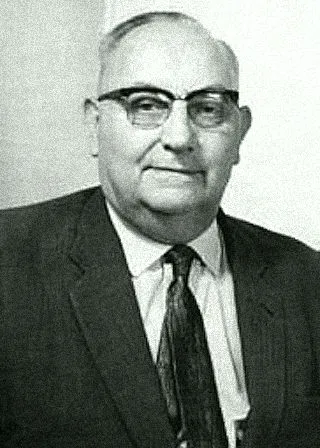
The missionary Ernest H. Trenchard, together with his wife Gertrudis Wille, worked in Málaga, Arenas de San Pedro, and Toledo. Then, in 1945, from the city of Barcelona, he began an intensive work of biblical teaching and formation, for which he is mostly remembered. The good number of students, who demanded biblical training, moved him to create a small biblical school (CEB, Biblical Study Courses, today CEFB), a publishing house (LB, Biblical Literature), and a team of teachers composed of both foreign missionaries and Spaniards. In 1964 he moved to Madrid to better serve the churches throughout the country. Trenchard exercised a powerful influence on Spanish Protestantism, especially in the field of biblical exegesis and exposition, certainly inaugurated by him. He died on April 12, 1972. The theologian and philosopher Manuel Gutiérrez Marín said of him:
He was a truly "charismatic" theologian, a man moved by the Holy Spirit, a man for whom the biblical text was truly the "Word of God." And precisely for that reason he did not trust in his own very awakened spirit.
From the Evangelical Church of Chamberí came three Spanish evangelists, dedicated full-time: in 1922, Cecilio Fernández (first in the Tiétar valley and then in Galicia); in 1927, Francisco Fernández García (collaborator of Trenchard in Piedralaves and Arenas de San Pedro); and in 1933, Gabriel Sánchez, who would be assassinated in Navarres de Enmedio (Segovia) by Catholic nationalists, in July 1936.
The period from 1936 to 1964 had a bad beginning: the Civil War. For the evangelical testimony, more than the beginning of something, it was the historical end of many things that were, or were presumed to be, positive and favorable.
The evangelical schools felt the effect of the war, and the postwar period. The constituted churches, needed as a minority for inter-communion, were separated geographically by the dividing line of the war front and the difficulties for travel and communication in general. The mobilizations for the war not only decreased the membership of the Assemblies but also contributed to the dispersion of families who had to seek refuge and help in other localities.
The missionaries who had been working for many years and on whom—in some churches—the teaching and pastoring mainly fell, had to return to their places of origin; an absence that in some cases was prolonged by the effects of World War II.
The distribution of the Bible also suffered greatly, very active during the previous stage, mainly during the Second Republic, through the Biblical Cars and public establishments. Likewise, evangelization campaigns in theaters, and the celebration of Evangelical Congresses, of affirmation and public testimony, decreased to extinction due to the war atmosphere that was felt more as the conflict advanced.
Nevertheless, in the evangelical field, there were positive factors such as the spirit of solidarity and help awakened among evangelicals in foreign countries, evident in the organization and support of colonies to keep children away from the horrors and deprivation of war, as well as in food aid.
The Current Chapel on Trafalgar Street 32
The postwar period was a long period during which the evangelical testimony, in general, was revived despite the intransigent hostility of the Catholic Church and the civil and administrative ostracism of the new State that emerged from the conflict.
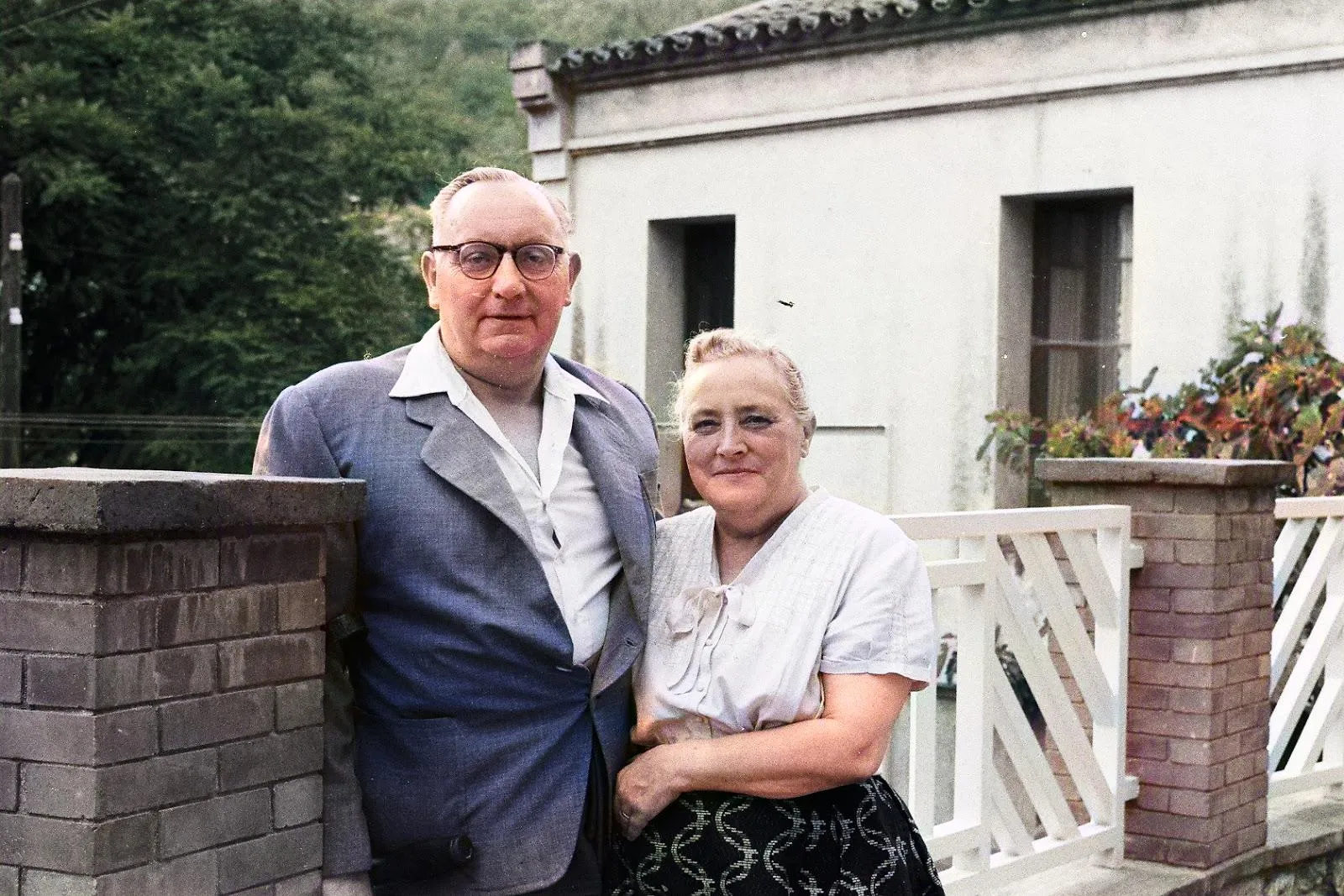
Thus, upon the death of Thomas W. Rhodes, in 1940 John H. H. Biffen (1893–1960) took over the pastorate, who came to Madrid with his wife Margarita from Gijón where they had remained from 1921 to 1937.
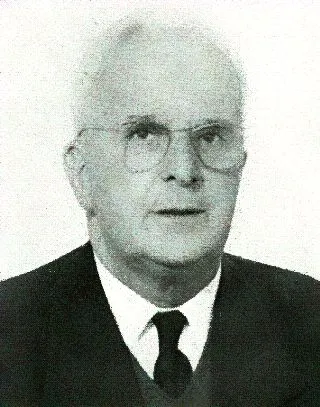
The old chapel on Trafalgar Street was in danger of collapse, and with the moral support and financial help of Hermann Sautter, he undertook the imposing task of erecting the current building at Trafalgar Street 32, which would consist of a seven-story block intended for rental housing that would house in its interior and on the ground floor—in a somewhat disguised manner—the place of worship that remains to this day. As a man of faith that he was, Biffen did not hesitate before the great responsibilities, nor before the doubts of many brothers, and it is thanks to his effort and determination that the church on Trafalgar Street owes its spacious and beautiful chapel, inaugurated in November 1947.
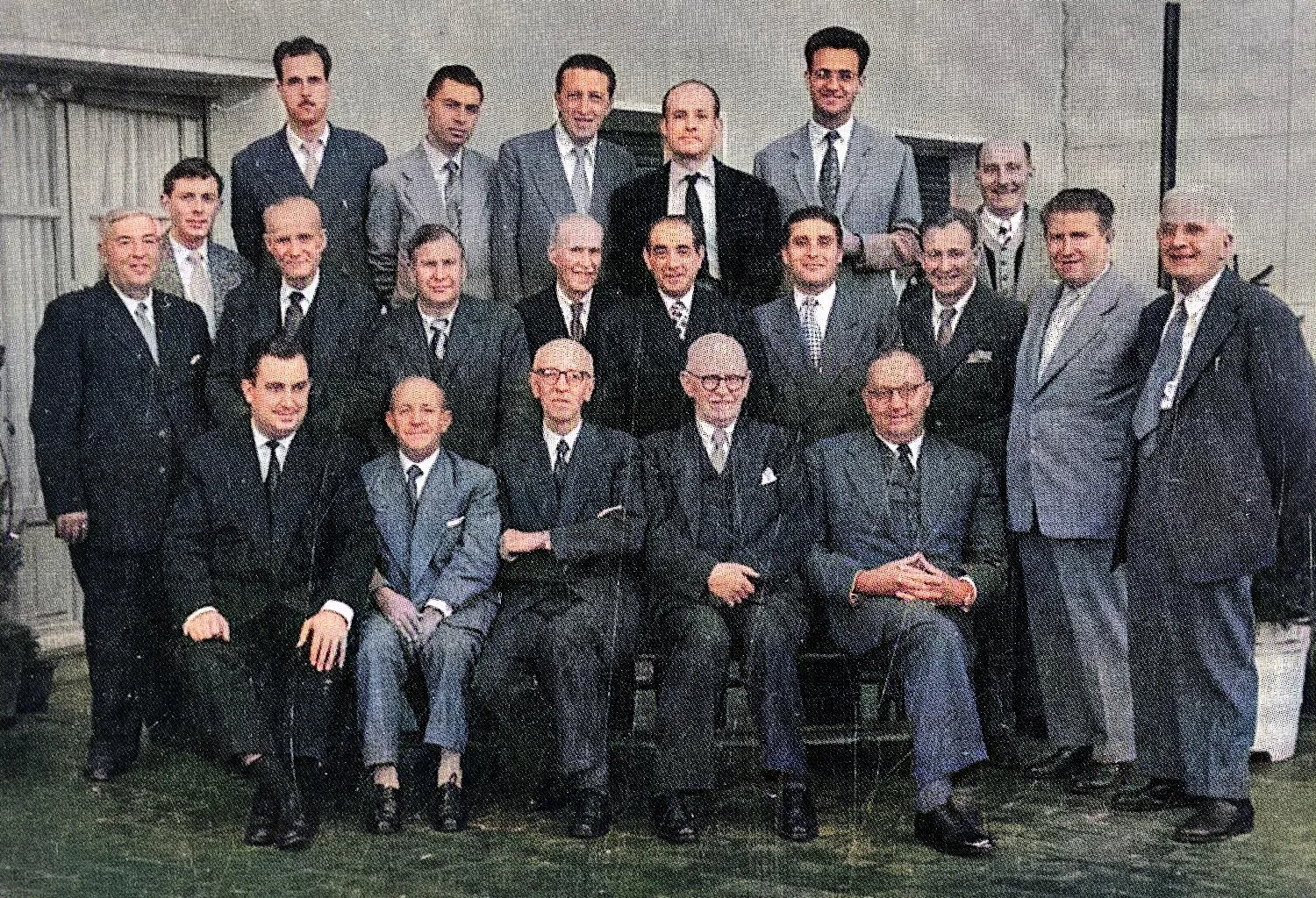
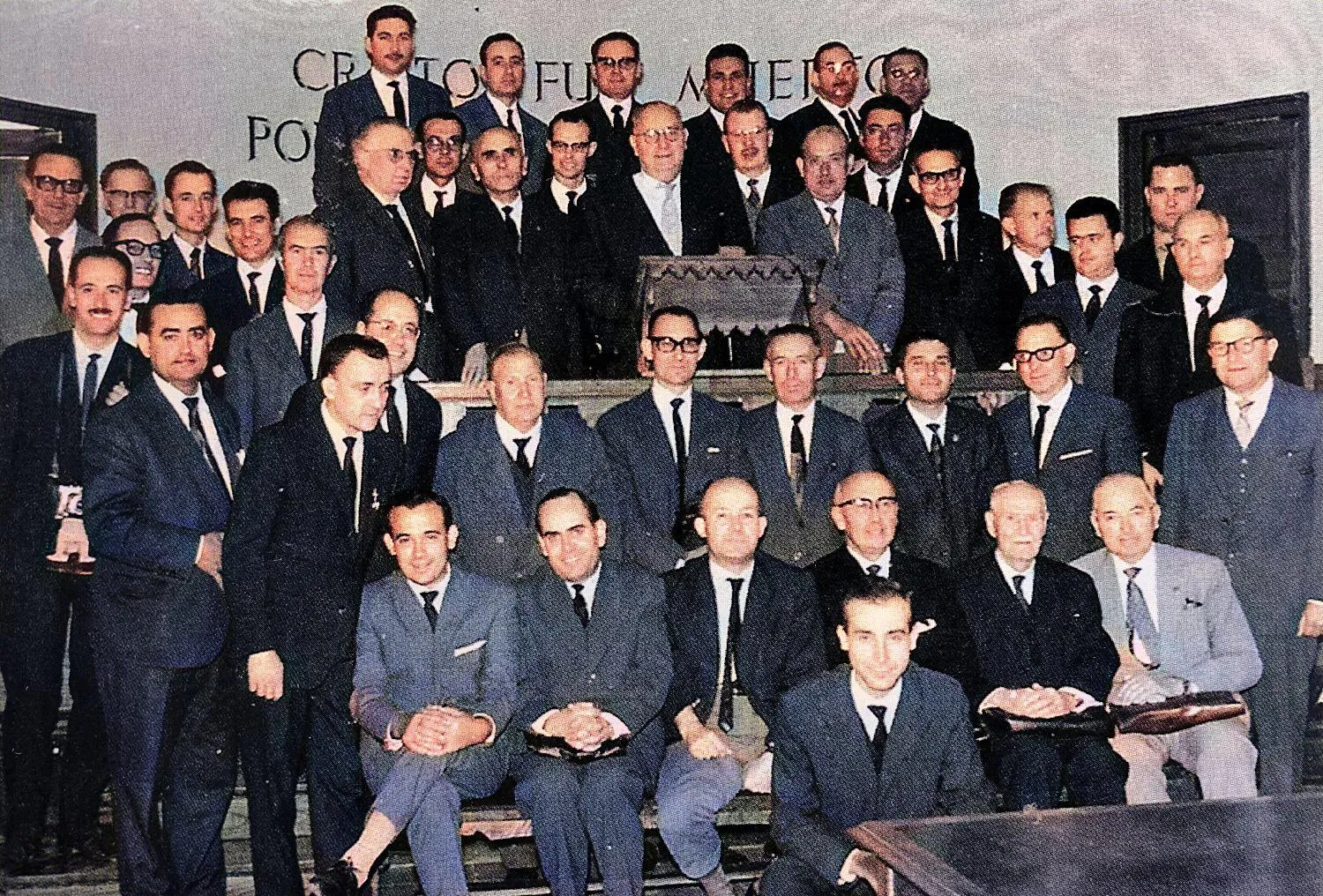
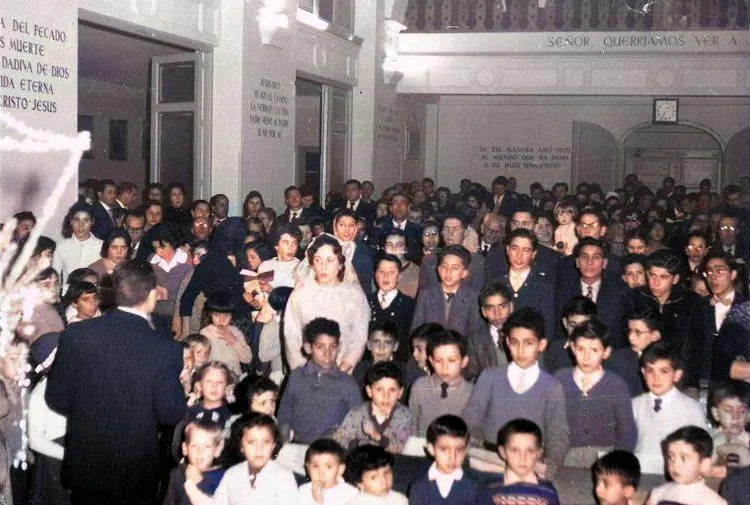
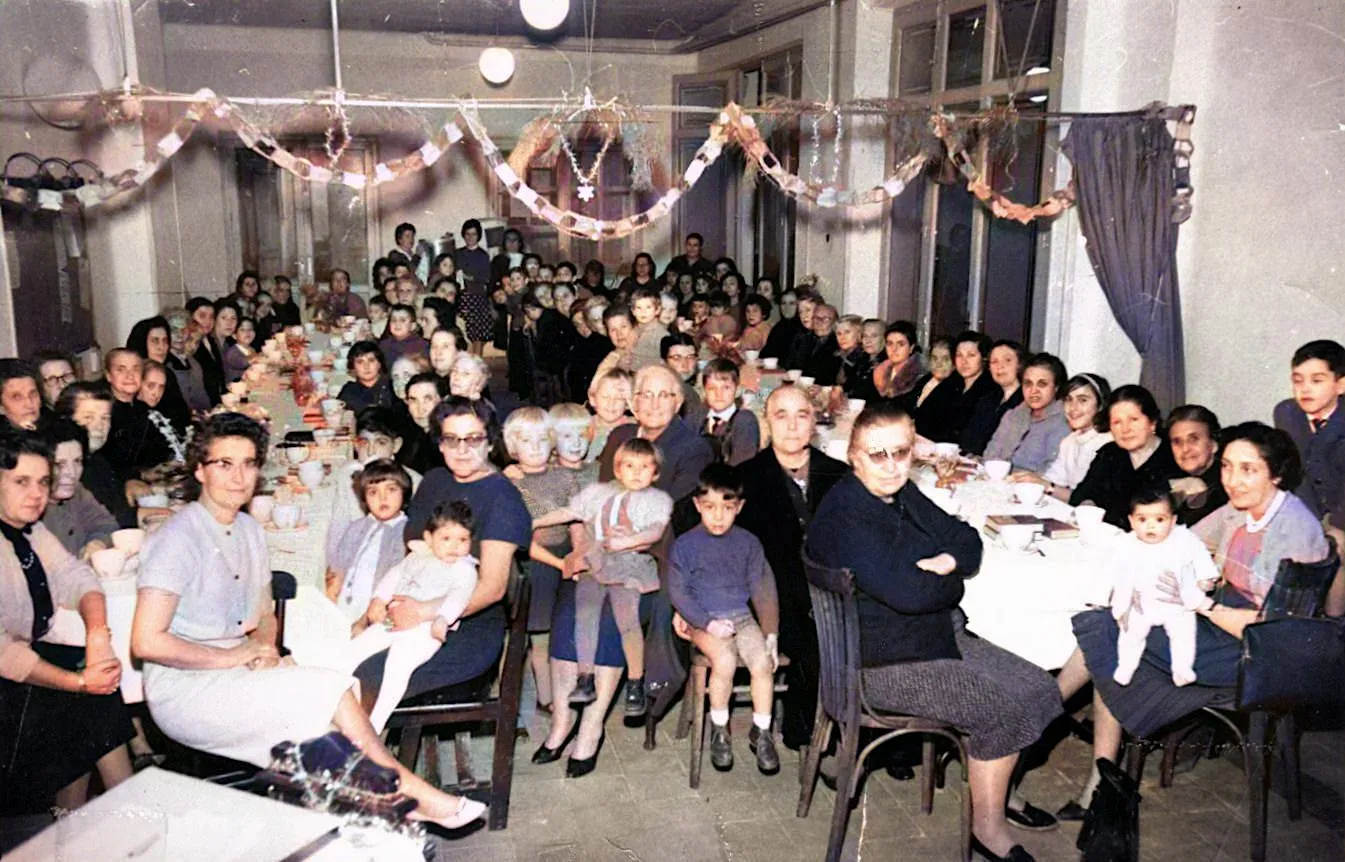
It was on the occasion of the inauguration of the new chapel—and from then on—that the Evangelical Church of Chamberí convened, to celebrate the anniversary, conferences (called "of Trafalgar," or "of Madrid") that soon acquired a tacit national rank. Such was the attendance of brothers from all over Spain, and such the goodness and opportunity of the ministry of invited brothers to direct the messages and biblical studies. A good meeting called "of elders and workers," which was held on these occasions, facilitated the intercommunication of criteria before the needs of the moment and the vision of the future, in which communion did not decline, in a spirit of mutual consultation and guidance. This allowed, among other manifestations of active communion, the fruitful campaigns of "Youth for Christ," and the resumption of the activities of the "Spanish Evangelical Alliance."
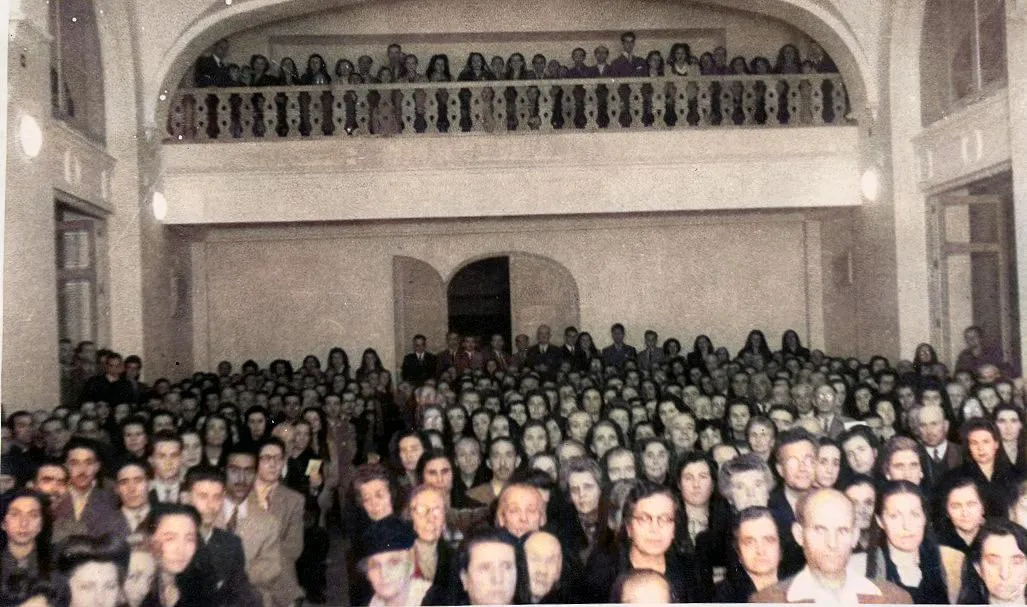
It was from 1954 (the 8th Annual Conference of Madrid) that this was organized jointly by the assemblies of Trafalgar and Duque de Sesto to which, in the course of the years, the assemblies that have arisen from the church on Trafalgar Street were added: Pinzón Street 16 (initially on Espinar Street 48, Carabanchel neighborhood), Ofelia Nieto Street 57, and Tembleque Street 140 (Aluche neighborhood).
The last part of his life, John H. H. Biffen constantly occupied himself in visiting and advising those groups that had been left without workers. From Cartagena to Huelva he was interested in the acquisition of chapels, encouraging at the same time the churches with his sound advice. He did not neglect the work in Madrid, and due to his many departures the brothers in Trafalgar learned to develop their gifts and feel greater personal responsibility. The Lord greatly blessed the Work in the capital among young and old, and he will remain "always remembered for what he has done," with the collaboration of all the brothers who loved him.
On his last trip to his country he rested little, dedicating himself to advocating for several special funds for the advancement of the Work, and awakening interest in it. He felt full of health until six weeks before the end of his career, and continued tirelessly in his ministry until suddenly cancer was discovered in his esophagus that ended his life before any surgical intervention was possible.
His widow recounts a characteristic trait of him in the hospital. In one of the beds in the room was a young man gravely ill, and upon seeing Biffen read his Bible he earnestly begged him to teach him to pray, as he feared dying. Kneeling beside his bed, he had the satisfaction of bringing the young man to Christ, and the latter, a few days later, died confident and happy: the last soul, of the many who will thank him in the "eternal dwellings" for his faithful testimony. Finally, John H. H. Biffen passed into the Lord's presence in London, on June 16, 1960.
From 1953 (May 30 to June 7) Conferences took place in Barcelona, with great blessing, organized by the Assemblies of Barcelona, in the manner of those held in Madrid, of three-year periodicity, and national scope. This period was fruitful thanks to this frequent and broad communion among the Assemblies of Spain, so that believers and assemblies grew in number.
To this period also corresponds the creation of collective works—also called auxiliary works—with minimal organization and structure, but with maximum responsibility and effectiveness, such as the Evangelization Fund (in 1949), almost from the beginning known by the acronym FONDEVAN, which until today has been serving as a distributive channel to facilitate aid to the Lord's servants who dedicate all their time to the Work, in communion with the Assemblies. Or, the Local Facilities Fund (since 1956) to help assemblies in their plans for local reform and improvement. Homes for the Elderly, Youth Camps, Biblical Study Courses, by extension and by correspondence, have also been created since the early years of this period (1936–1964) and sustained through the years.
In the "Escudriñador Bíblico" (Biblical Searcher), a magazine edited by the young people of the church on Trafalgar Street (dated October 16, 1947), there is a reference to the inauguration of the new chapel. It belongs to Fernando Cabrera Latorre (1875–1953), who was pastor of the church on Beneficencia Street in Madrid, a location very close to Trafalgar Street. At that time he wrote the following:
Could we say many other things about this church? Who doubts it! But everything we could say are things that those who read us know much better than we do, and for that reason, rather than continue bothering your attention, we prefer to make a full stop here. May the church of Chamberí, one of the four oldest churches in Madrid, continue to be in the Chamberí district like a light placed on a mountain that no one can extinguish! This is our sincere wish.
Thus was founded in Madrid the last of the Brethren Assemblies of the 19th century. We only have to add, with deep gratitude to the Lord, what we find in the Scriptures: "Therefore, since we are surrounded by such a great cloud of witnesses, let us throw off everything that hinders and the sin that so easily entangles. And let us run with perseverance the race marked out for us, fixing our eyes on Jesus, the pioneer and perfecter of faith. For the joy set before him he endured the cross, scorning its shame, and sat down at the right hand of the throne of God." (Hebrews 12:1-2). "Remember your leaders, who spoke the word of God to you. Consider the outcome of their way of life and imitate their faith." (Hebrews 13:7).
Bibliography
- Magazine "Edificación Cristiana" (Christian Edification), January 1961.
- Magazine "Edificación Cristiana" (Christian Edification), November-December 1988/No. 130. Title: "125 years of biblical testimony in Spain: Christian Brethren Assemblies." Specifically reproducing what was written by D. Pablo Enrique Le More and D. Juan Solé.
- "Robert Chapman. Brother and true friend of Spain." Frank Holmes. (Editorial Literatura Bíblica, 1969).
- The "Escudriñador Bíblico" (Biblical Searcher) dated October 16, 1947.